

In today’s fast-paced manufacturing world, maintaining a tidy and safe working environment is crucial. Dust is an inevitable byproduct of various manufacturing processes, ranging from woodworking to metal grinding, and its accumulation can lead to significant safety hazards and efficiency losses. This is where dust collection systems come into play, offering effective solutions to keep the air clean and ensure compliance with health and health regulations.
Dust collectors not only assist in reducing airborne particles but also aid to overall operational efficiency. Whether it's a central dust collection system for big factories or a portable dust collector for smaller workshops, these systems are designed to collect dust and other contaminants at the source. With various types such as Baghouse dust collectors, cyclone dust collectors, and cartridge dust collectors available, businesses can select the most suitable dust extraction equipment tailored to their unique needs. Grasping the importance of industrial dust extraction is essential to fostering a safer and more productive workplace.
Forms of Dust Control Systems
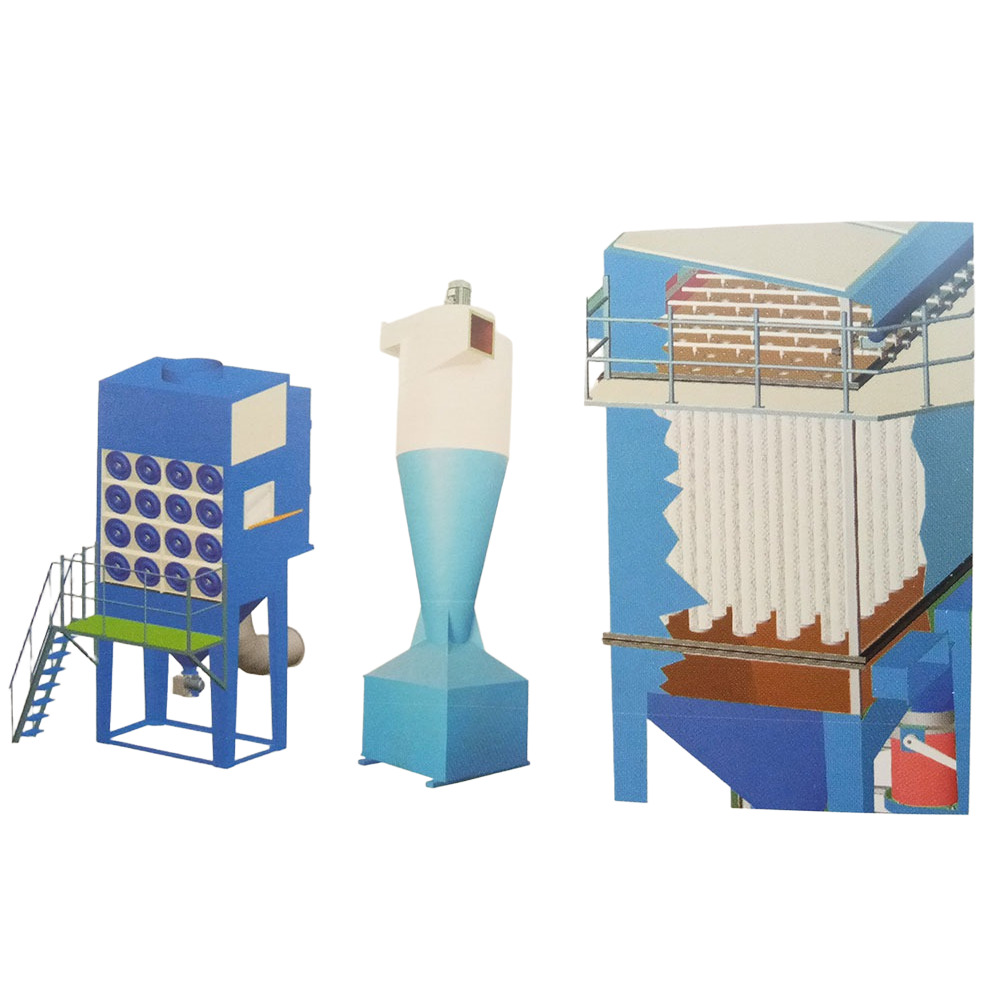
Dust control systems come in various varieties, each tailored to specific manufacturing demands. One of the most typical forms is the baghouse dust collector, that relies on textile filters to trap particles as air flows through. This system is very effective for gathering fine dust from activities such as woodworking, metalworking, and food manufacturing. A further popular choice is the cyclonic collector, which uses centrifugal action to isolate larger debris from the air stream prior to they reach the filtration stage. These systems are perfect for industrial-strength applications and can often be used in conjunction with additional dust extraction equipment for improved effectiveness.
Cartridge dust collectors offer another option, utilizing cartridge filters to provide a large area for dust collection. These systems are compact and effective for facilities with limited space. They can manage a range of dust types, making them ideal for industries like medicine and chemicals. For operations needing regular maintenance, a pulse jet dust collector offers an automatic cleaning mechanism that effectively maintains filter efficiency during ongoing operation.
Mobile dust collectors are growing in demand for their flexibility and ease of use. These units are made to be moved to various locations within a shop or factory, making them ideal for tasks like finishing or grinding. They provide a targeted approach to dust management, ensuring cleaner air without the need for a permanent installation. Each of these options plays a vital role in upholding air quality and compliance in manufacturing environments, highlighting the importance of selecting the appropriate dust collection solution for particular applications.
Benefits of Proper Dust Management
Proper dust management is essential for maintaining a healthy working environment. One of the main benefits is the decrease of health risks associated with airborne dust particles. Prolonged exposure to dust can lead to breathing issues, allergies, and long-standing lung diseases. By installing a dust collection system, companies can significantly reduce these health hazards, ensuring that their employees inhale cleaner air and reducing the potential for long-term health complications.
Another significant advantage of proper dust management is increased operational efficiency. Dust accumulation can disrupt with machinery performance, leading to repeated breakdowns and pricey downtime. bag filter dust collector, pulse jet bag dust collector, modular dust collector, mobile dust collector, industrial dust extraction system, dust filtration equipment, air pollution control system, industrial filtration system, high efficiency dust collector, heavy duty dust collector, dust removal system for factories, dust collector for woodworking, dust collector for metalworking, dust collector for cement plant, dust collector for grinding dust, dust collector for welding fumes, dust collector for pharmaceutical industry, dust collector for food processing, industrial ventilation system, dust collector installation, dust collector maintenance, dust collector filter bags, dust collector accessories, dust filter bags, dust collector parts, industrial blower systems, cyclone separator system, electrostatic precipitator system, multi cyclone dust collector, central dust collection system -designed dust extraction system minimizes debris on equipment, facilitating for smoother operations and extending the lifespan of machinery. Additionally, tidy workspaces promote better visibility and productivity, allowing employees to focus on their tasks without the interruptions that surplus dust can cause.
Finally, proper dust control is crucial for legal compliance and maintaining a company’s reputation. Many industries face stringent environmental and safety regulations that require adequate dust management practices. Employing robust dust filtration systems not only helps ensure compliance with these regulations but also demonstrates a commitment to ecological stewardship. As customers increasingly value sustainability, companies that invest in dust management systems position themselves advantageously in the market, attracting clients who prefer responsible practices. #### Selecting the Suitable Dust Collector for Your Industry
Choosing the suitable dust collector is essential for maintaining a clean and safe working environment. Different industries generate various types of dust and particulates, requiring specialized dust collection systems. For instance, woodshops may need a woodworking dust collector, while metal fabrication facilities often demand a grinding dust collector. Understanding the specific dust types and their characteristics is important for identifying equipment that effectively captures contaminants, thereby improving air quality and compliance with industrial air pollution control standards.
Another factor to consider is the size and layout of your facility. A central dust collection system may be perfect for larger plants, providing comprehensive coverage and effectiveness. On the other hand, a portable dust collector works well in smaller workshops or for those needing flexibility. It's crucial to evaluate your operational needs, such as airflow requirements and space limitations, to ensure the dust extractor or filtration system you opt for can handle the demands of your workspace adequately.
Finally, evaluate the maintenance and operational costs linked to different dust collectors. High-efficiency systems, like pulse jet baghouse dust collectors, offer enhanced performance but may necessitate more investment at the beginning. On the other hand, low-cost options might suffice for less stringent applications. Ensure you are choosing a dust removal solution that suits both your financial plan and your operational needs, as this will lead to a better and consistent dust control environment in your industry.